I used Trillian all the time. It was the one window that held every chat network I used, and when those networks died off, I assumed Trillian went with them. It didn't. Trillian is still around, and it's far from the only 2000s staple that's technically still alive under its original name. The only catch is that most of these programs aren't what they were, with many pivoting into completely new focuses that don't align with the old name at all.
Trillian
Every messenger under one roof


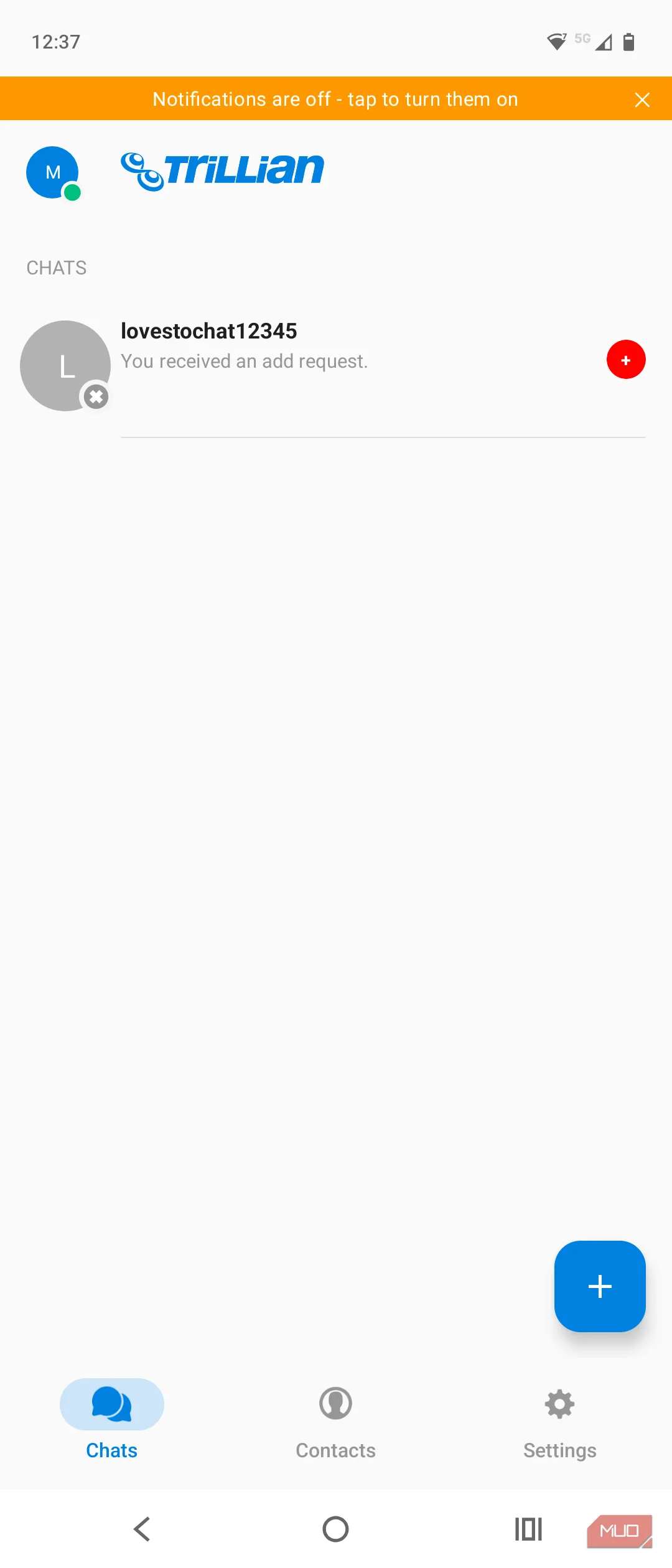
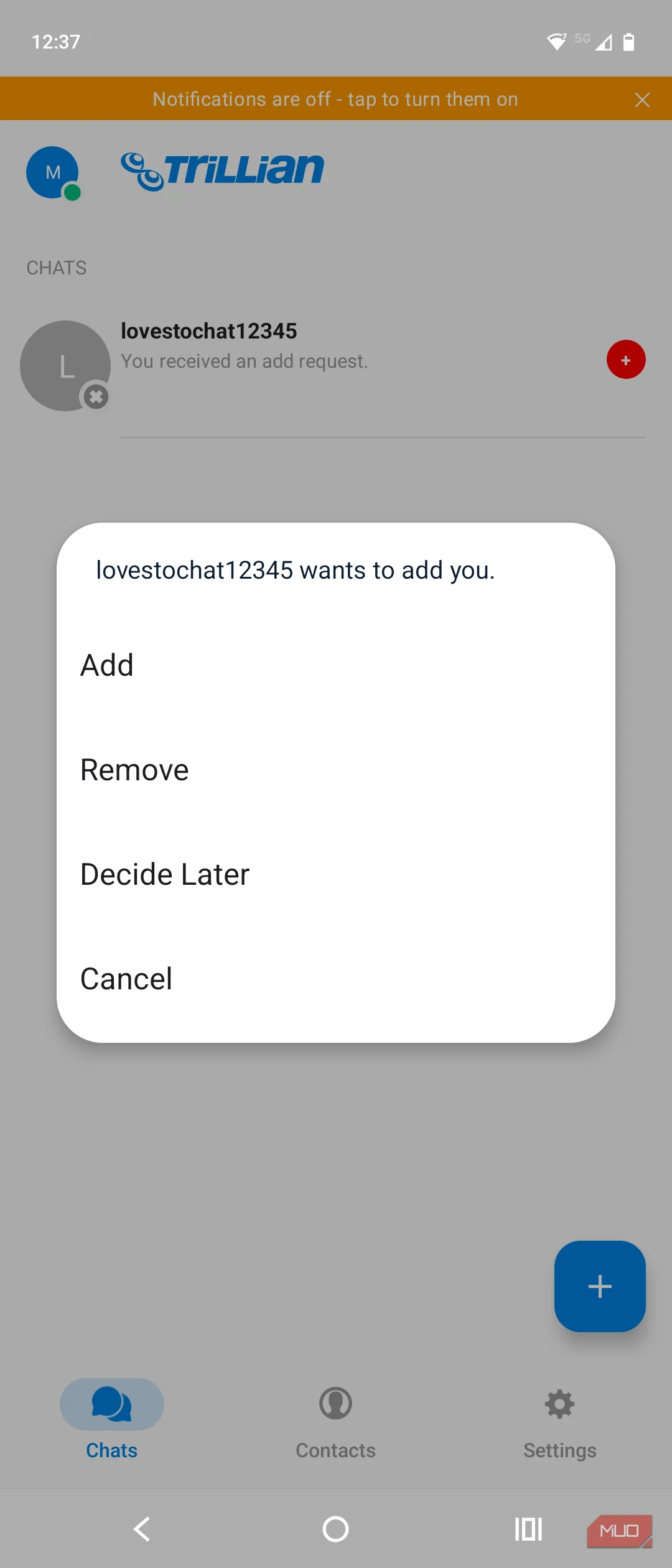
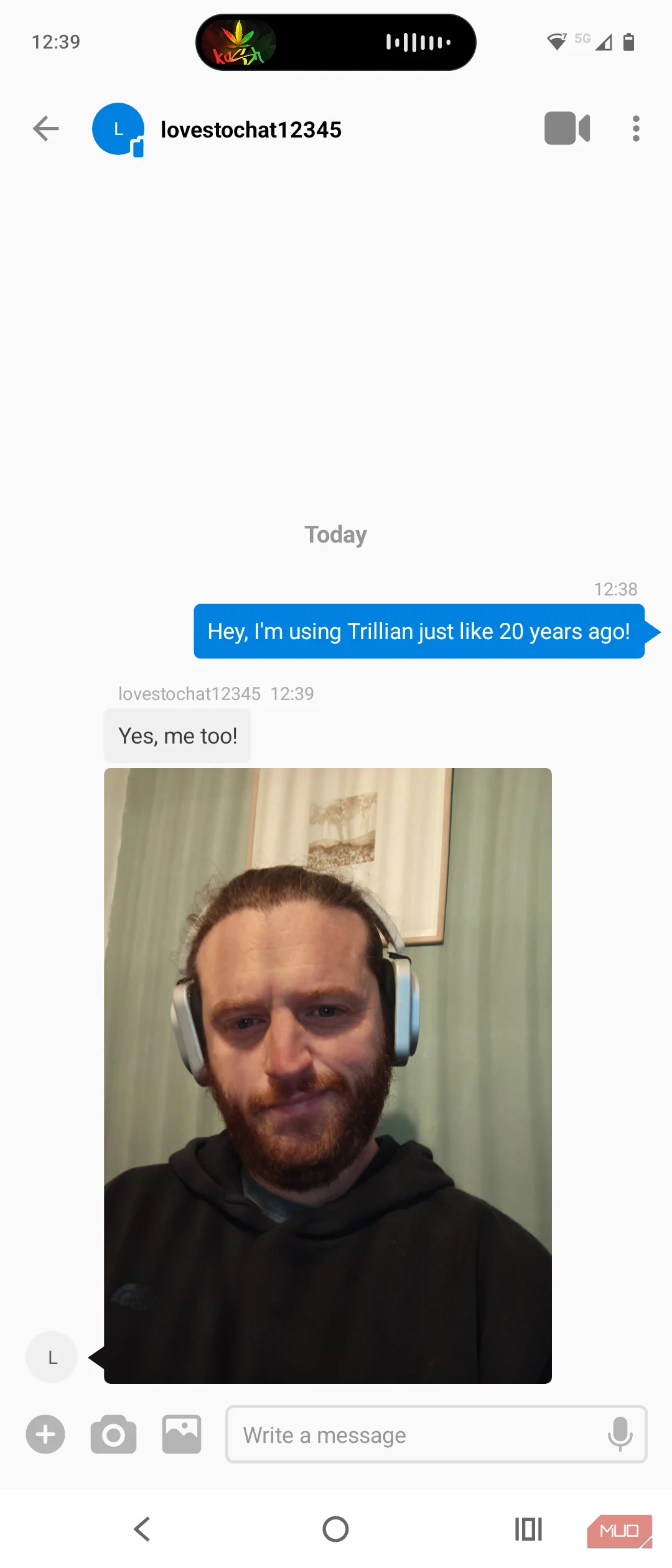
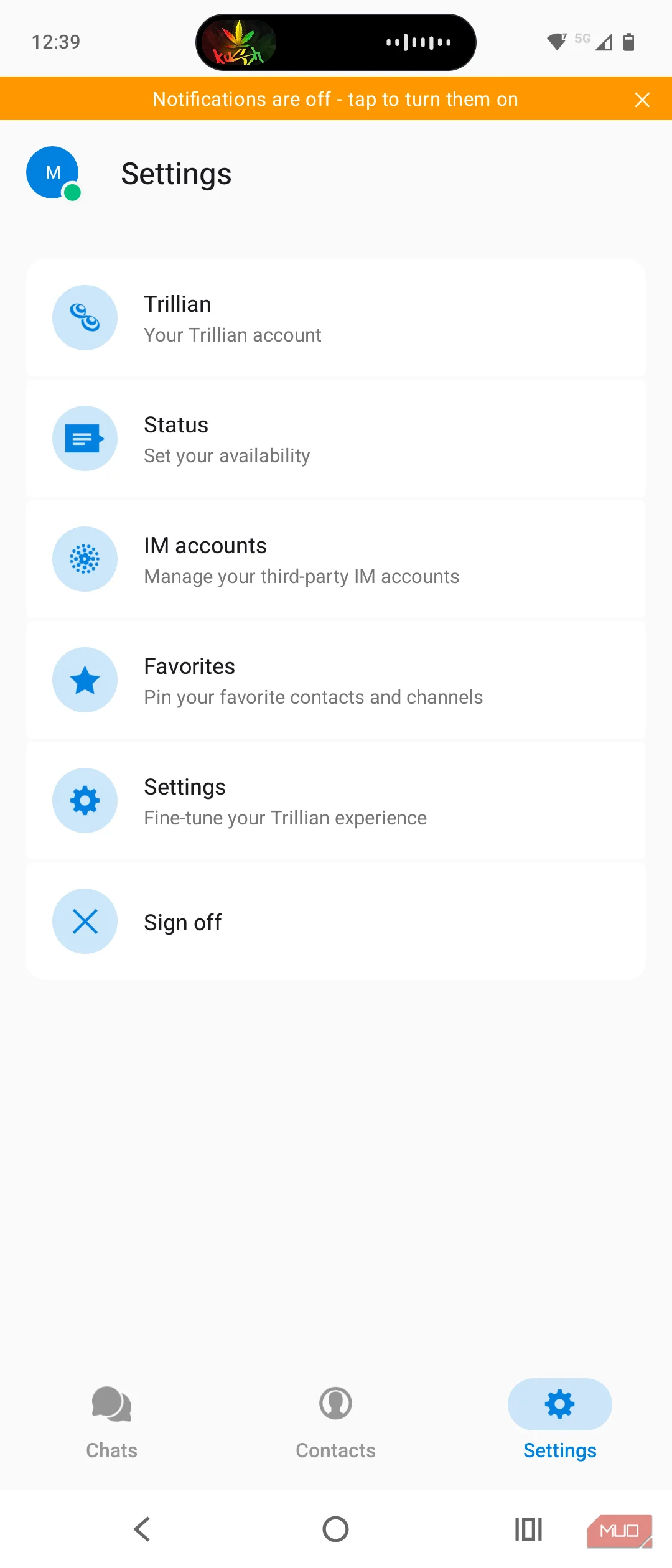
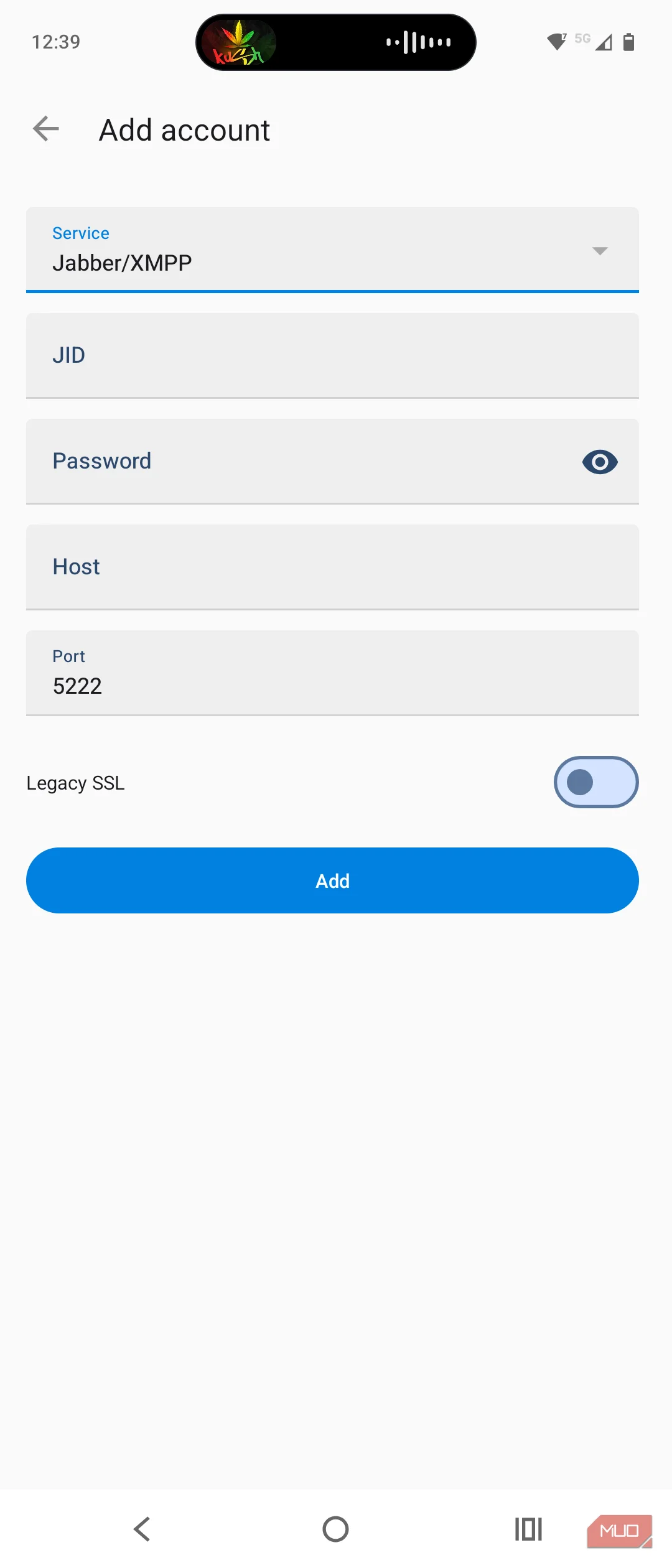
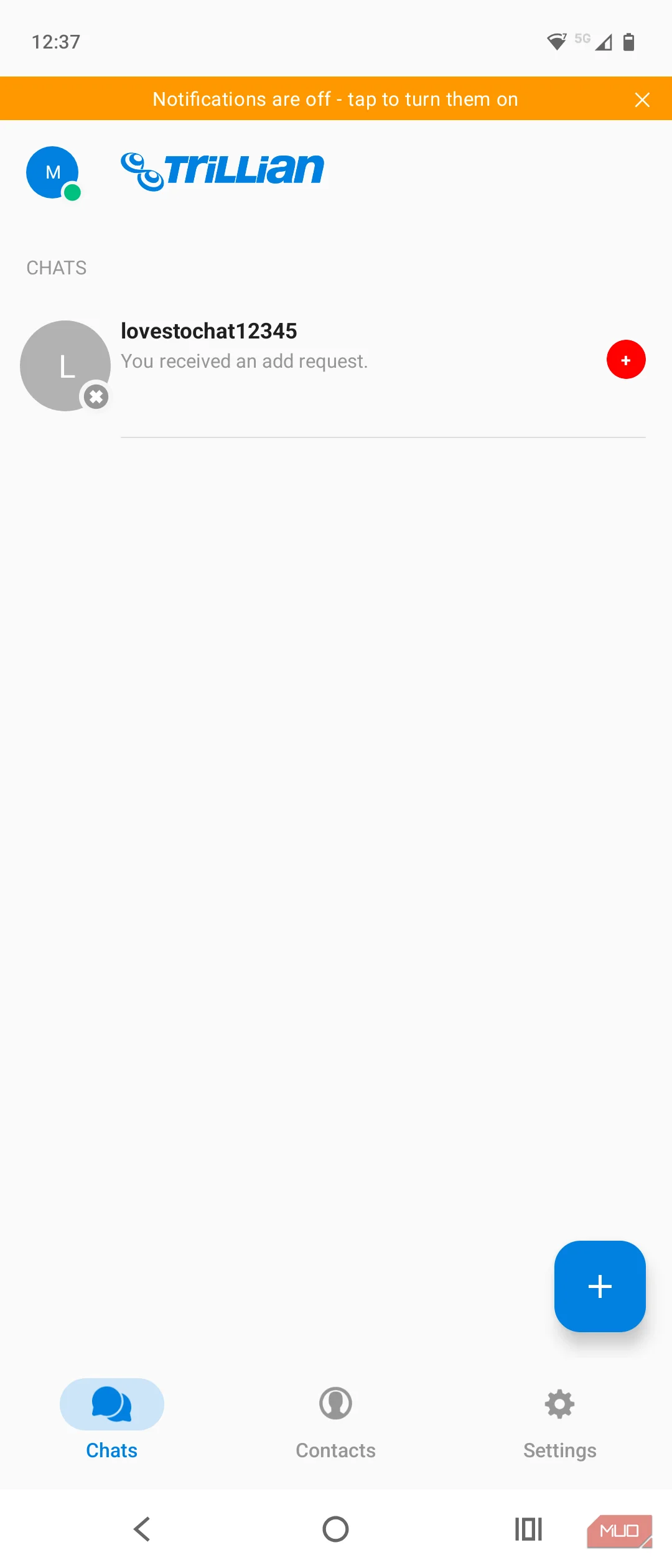
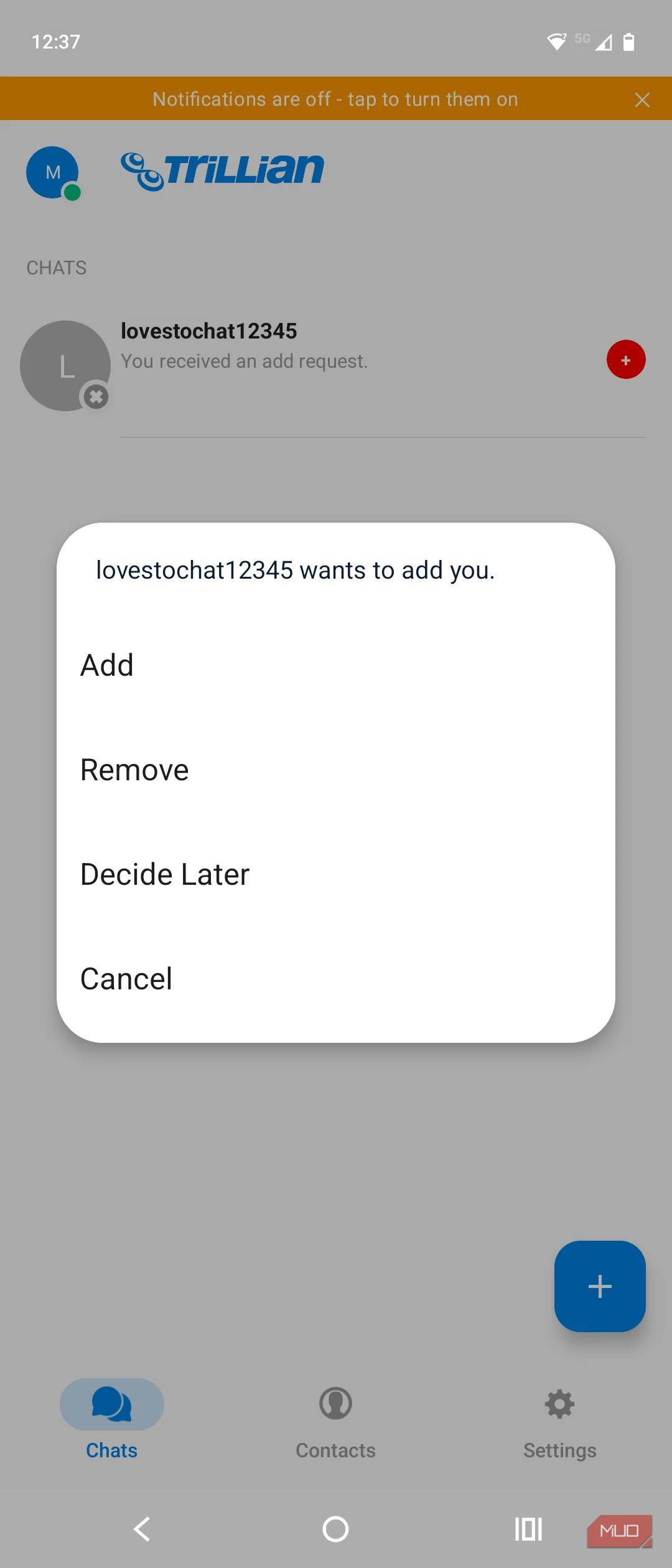
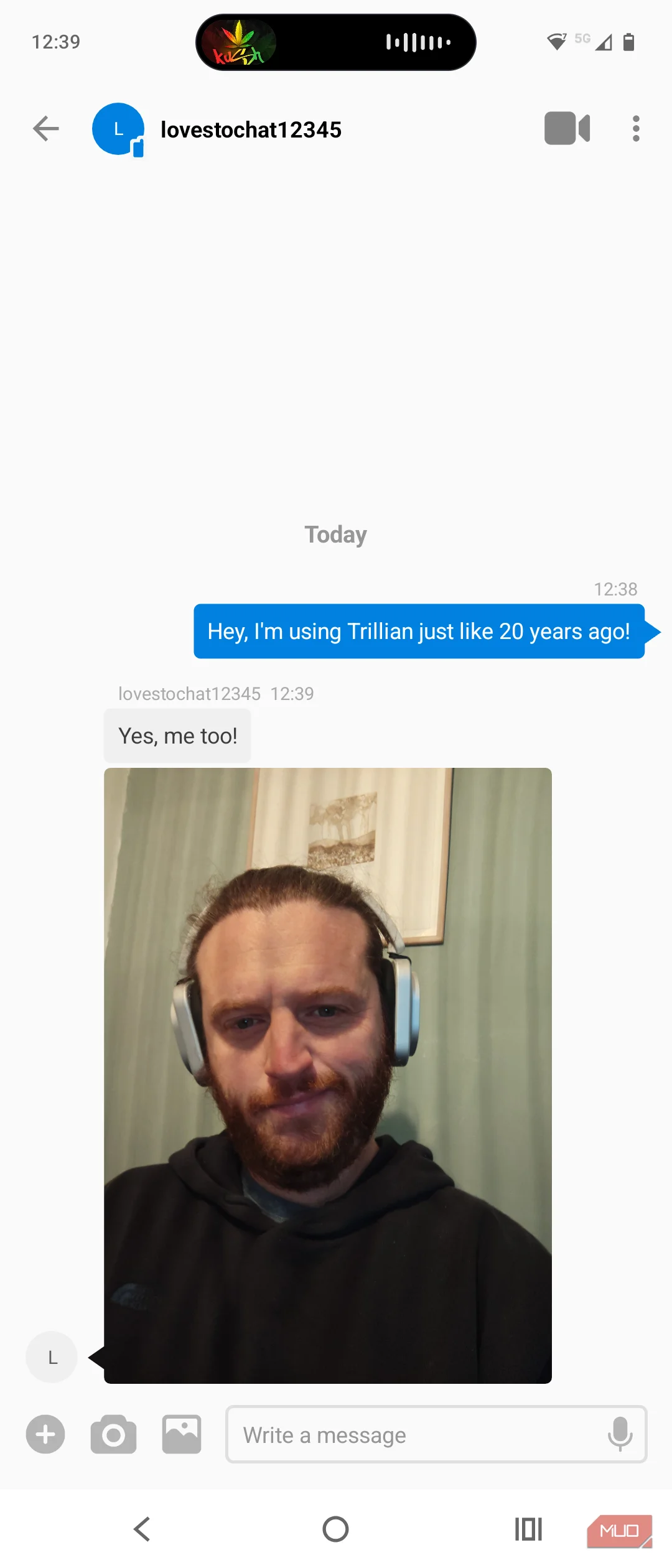
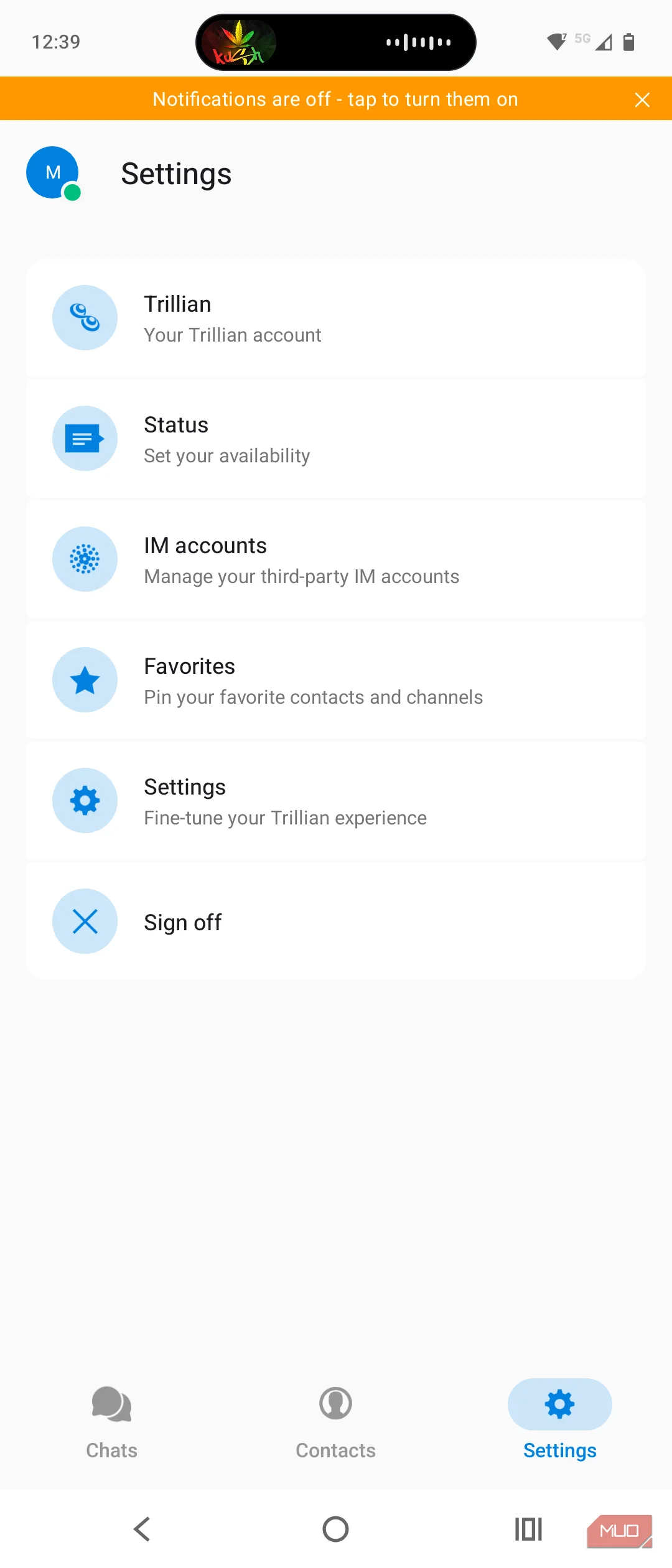
What made Trillian great was that at a time when there were heaps of competing messenger apps, it made it simple to use them all in one app. Trillian let you log into your AIM, ICQ, MSN Messenger, and Yahoo Messenger accounts, plus you could also use IRC.
In fact, AOL disliked Trillian capturing its AIM users so much that it blocked Trillian from its networks, as per The Register in 2002. I must admit I don't fully remember that debacle; I used MSN and ICQ rather than AIM.
In 2026, Trillian is still a messaging service, with its own HIPAA-compliant networking, making it oddly useful for those in healthcare settings. It's not a gimmick, either; Trillian is used in several major US healthcare provider networks, such as Dartmouth-Hitchcock Health.
Its chats are encrypted by default using TLS, and there are also options to extend this to local encryption with AES-256, plus the option for administrators to run a Trillian Server, keeping data internal and off of the internet.
I must say, this isn't what I was expecting when I first read that Trillian was still active, but it's a pleasant surprise. It's just a shame it won't reconnect me with those long-lost, late-night buddies.
LimeWire
Meme-coin file sharing?
One of my first ports of call when researching this article was Kazaa, and for the real aficionados, the "tracker- and spyware-free" Kazaa Lite. Well, bad news: Kazaa is no longer active, having fully died in 2012.
But its direct and probably better-known file-downloading competitor, LimeWire, has gone through a few different iterations since it was forced to shut down in 2010.
First, it was bought and rebranded as an NFT music marketplace in 2022. Remember NFTs? Most people are still trying to erase them from their memory.
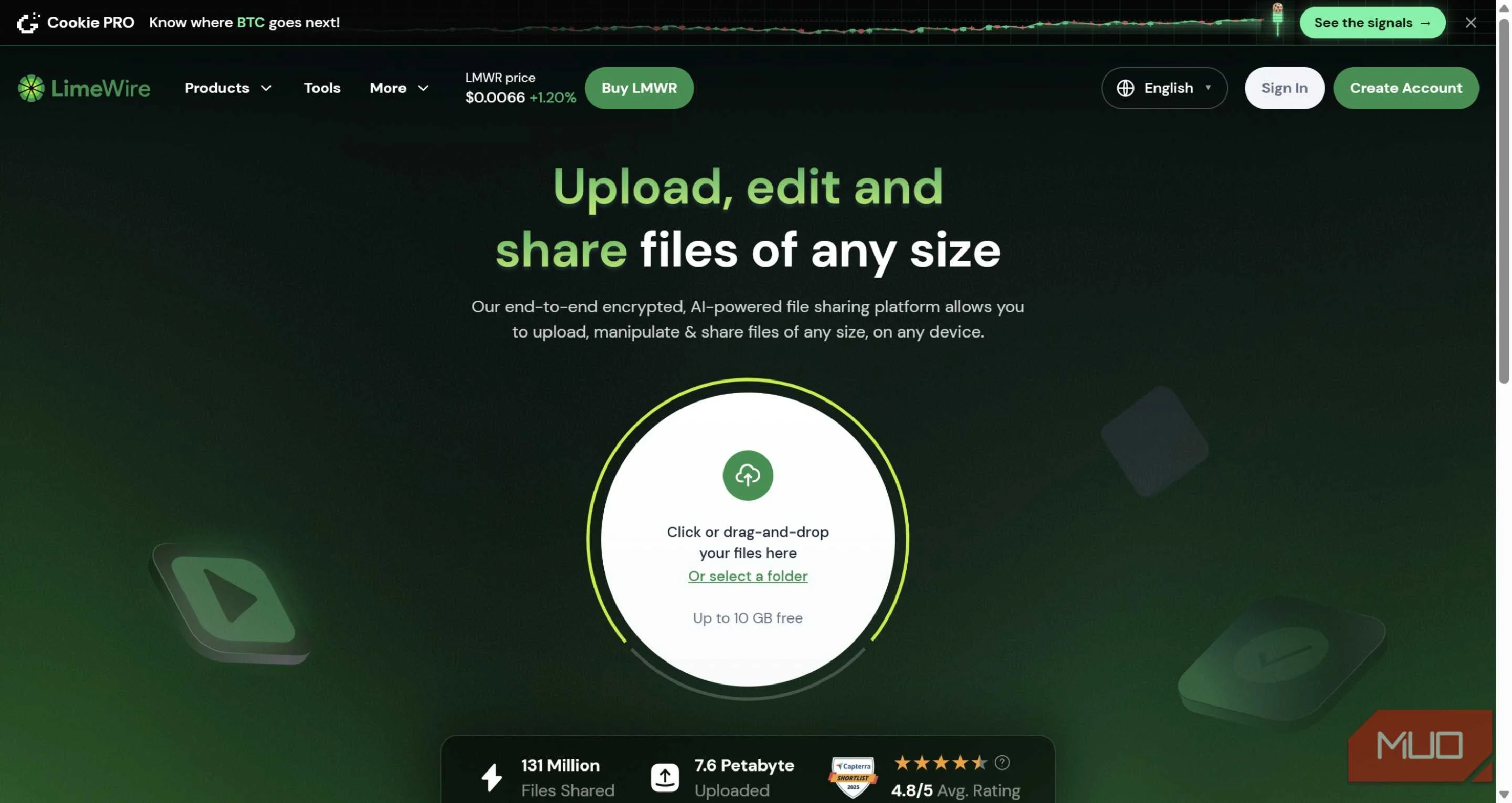
Then, LimeWire pivoted to become an actual file-sharing service, which is actually pretty decent. It offers 10GB of free cloud storage, end-to-end encryption, and you can upload and send files without an account, which is handy for quick uploads.
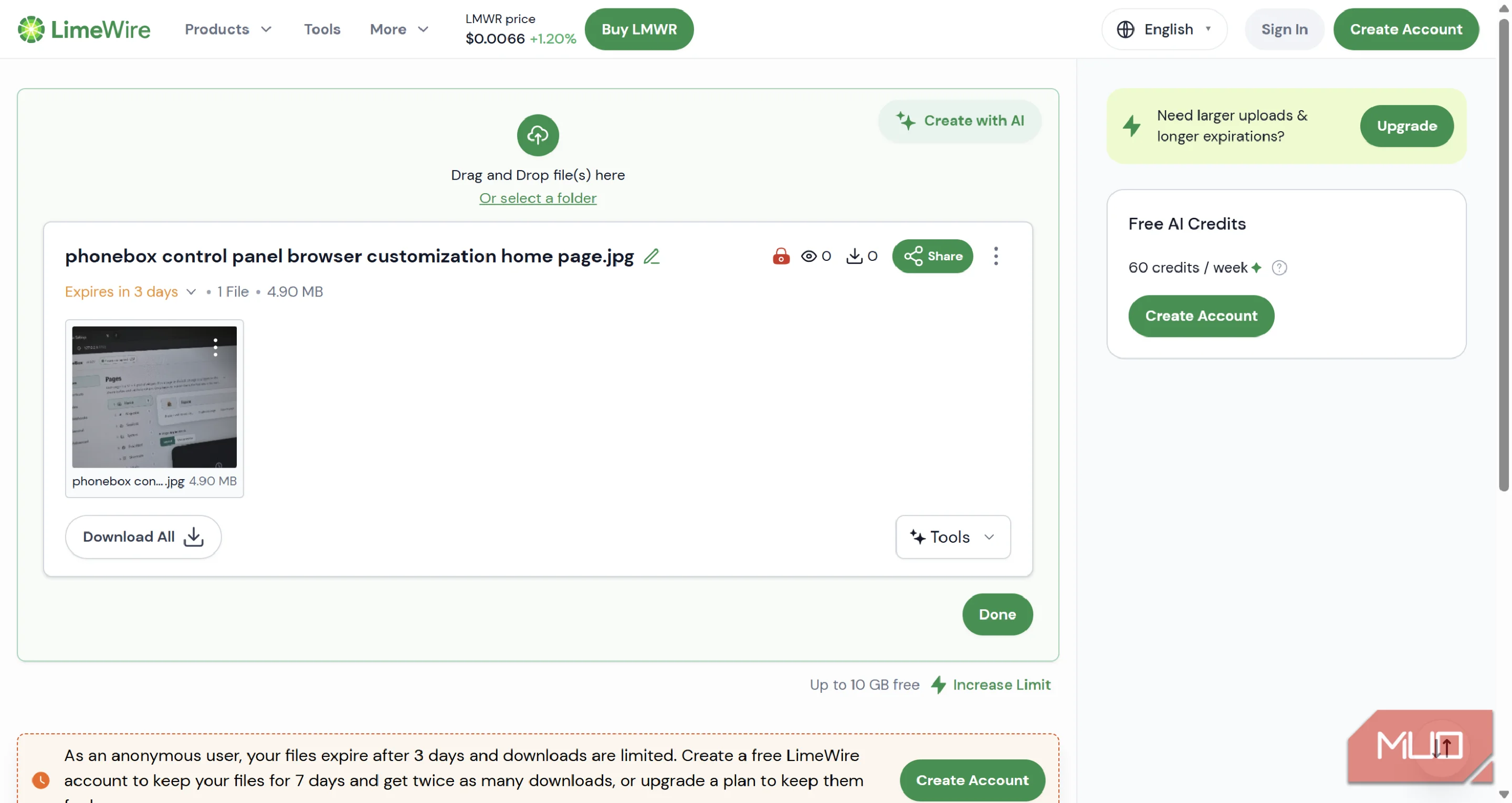
It also has a few AI tools on deck to help you manage your files, such as image editing, conversion, and so on, but you need credits to do so, and this does appear to require an account. The free LimeWire account has 60 credits for use.
Then... LimeWire got weird. In September 2025, BusinessWire reported LimeWire bought the rights to Fyre Festival for $245,000 with the aim of "saving one of the internet’s most infamous cultural memes from extinction and turning it into something new."
So, LimeWire isn't gone, but you won't be using it to download in-da-club-real-50-cent-remix.wav.exe any time soon. Our poor old computers.
Napster
The OG "music sharing" service is now all about everyone's favorite buzzword
Napster was a byword for illegal music sharing during the naughties. It was one of the first truly widespread digital music sharing services, becoming a cultural touchstone during its peak.
And then, like all things music-sharing, the music industry decided enough was enough and put it to the sword. Thanks, Metallica.
From there, it merged with legal music streaming service Rhapsody in 2011, bringing fully licensed music to the service for the first time. Then, in 2025, Infinite Reality, a company built around immersive 3D and AI tech, bought Napster for $207 million, promising to turn it into a more social, interactive music platform.
That didn't quite happen. At least, the music streaming part didn't. Reported by Digital Music News in early 2026, subscribers were cut off mid-listen by a splash screen announcing that “Napster is no longer a music streaming service,” along with a link to a third-party tool for exporting their playlists.
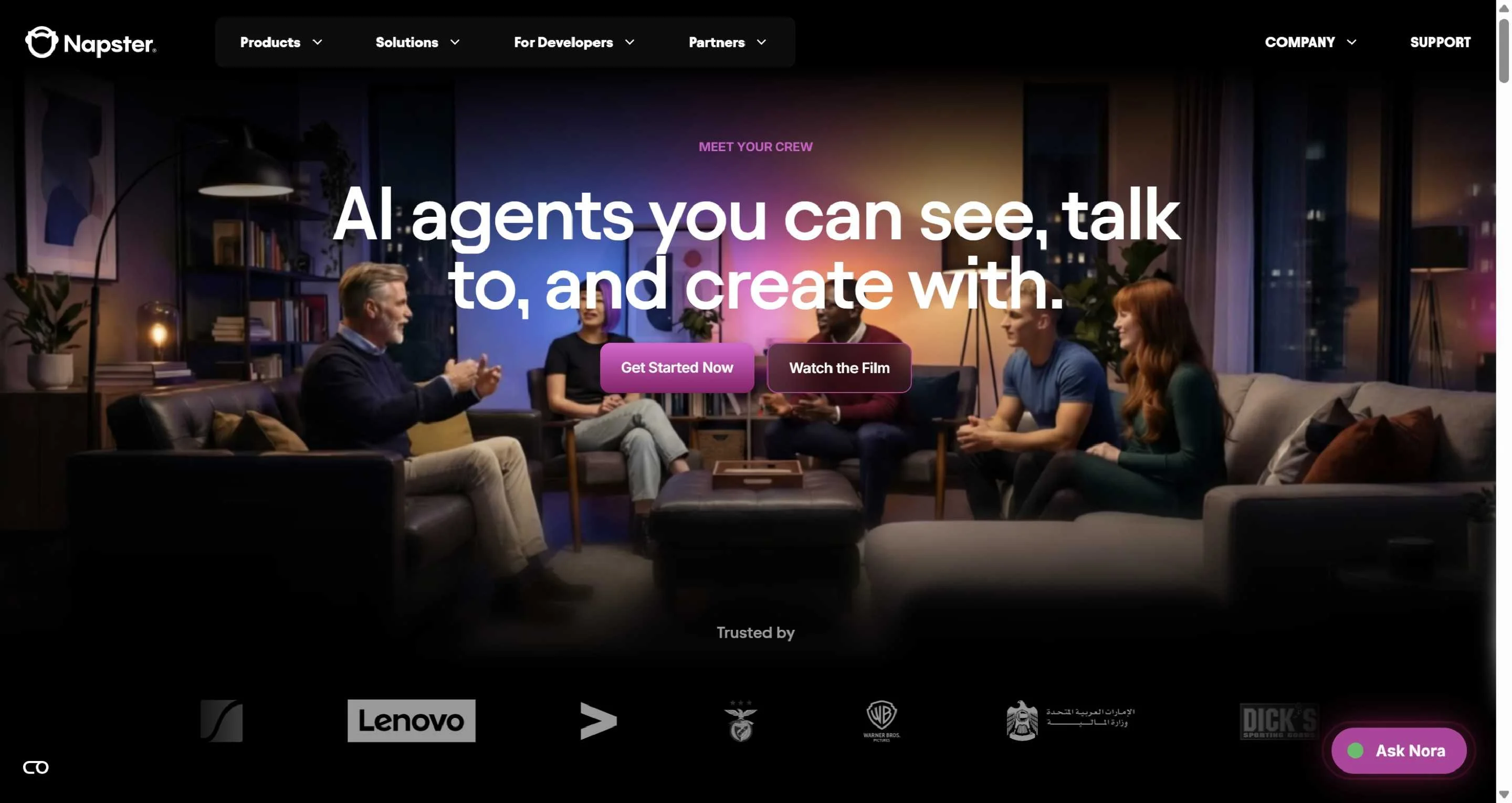
Napster is now something completely different. A glance at the Napster homepage reveals that what was once a pioneering music sharing service is now an AI talking head display simulator, bringing AI personalities to life in digital displays, interactive kiosks, and more.
It also offers the Napster: Everyday AI Experts app, a personal "team of agents with video, memory, and real personality," which uses a credit-based system for access. I haven't tried this, but it looks expensive versus creating similar themed-tools on a Claude Pro or similar account for a snip of the price.
Winamp
Actually still really whipping the llama's ass



 Credit: Yadullah Abidi / MakeUseOf
 Credit: Yadullah Abidi / MakeUseOf
 Credit: Yadullah Abidi / MakeUseOf
 Credit: Yadullah Abidi / MakeUseOf
 Credit: Yadullah Abidi / MakeUseOf
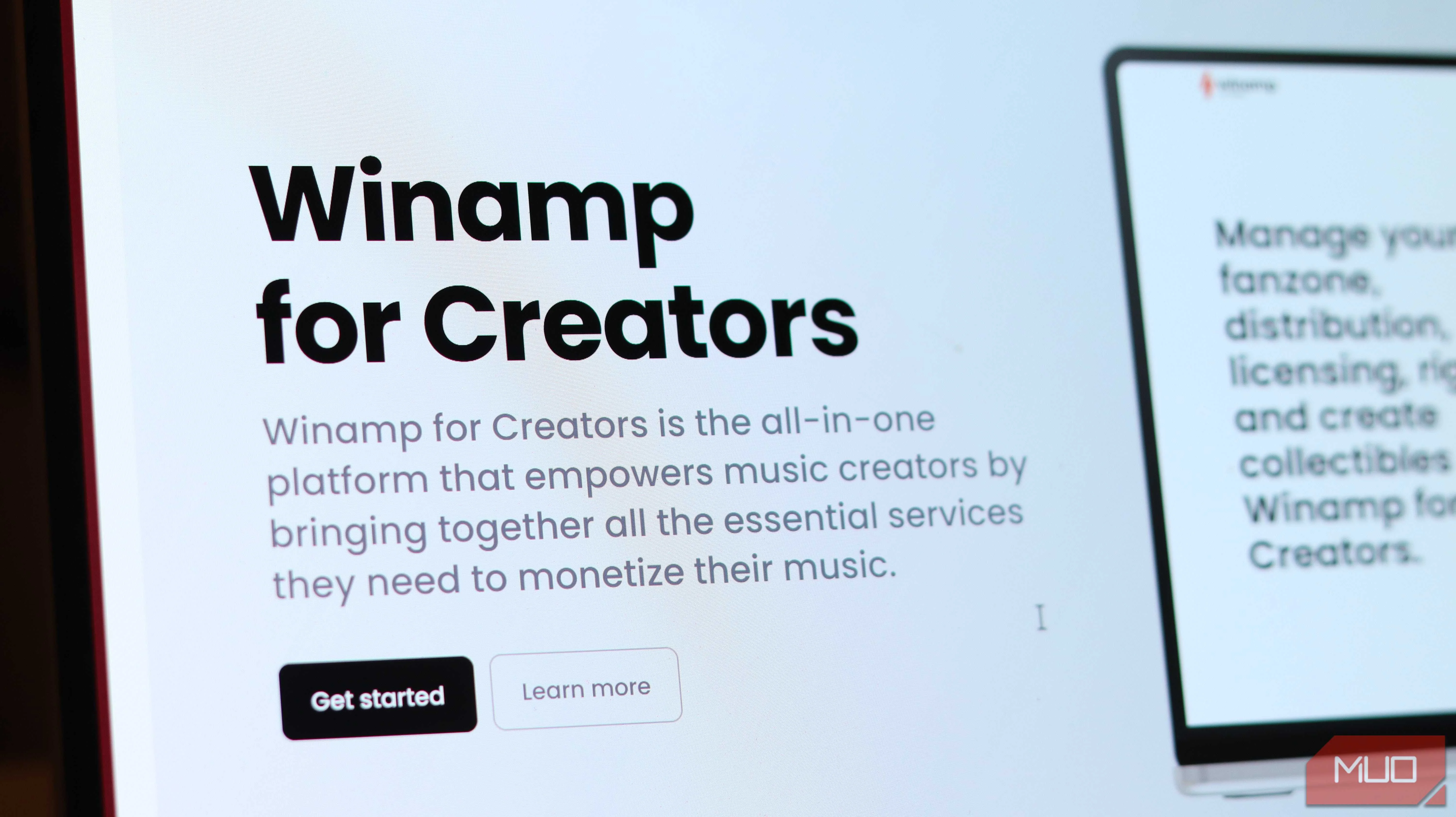
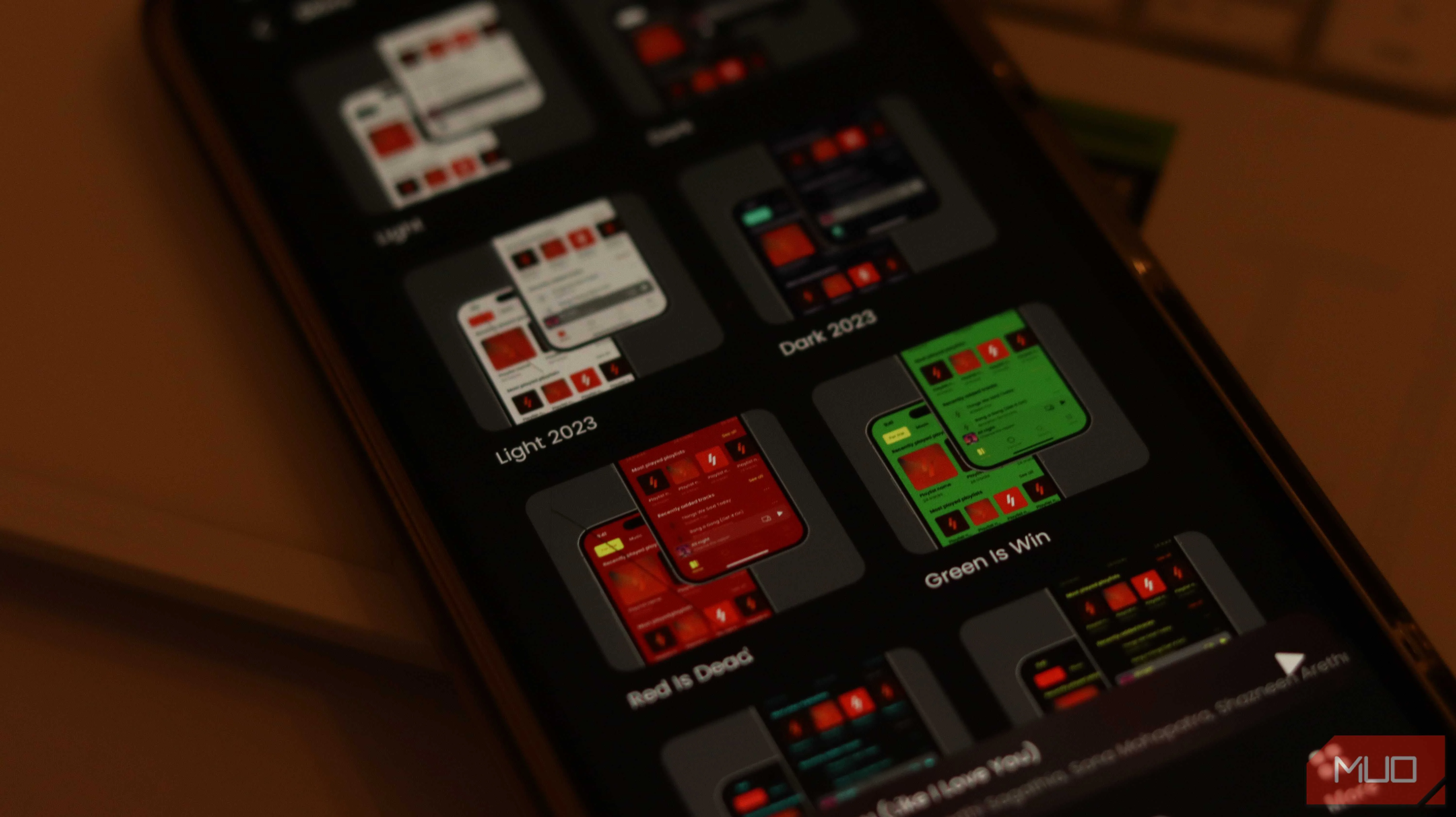
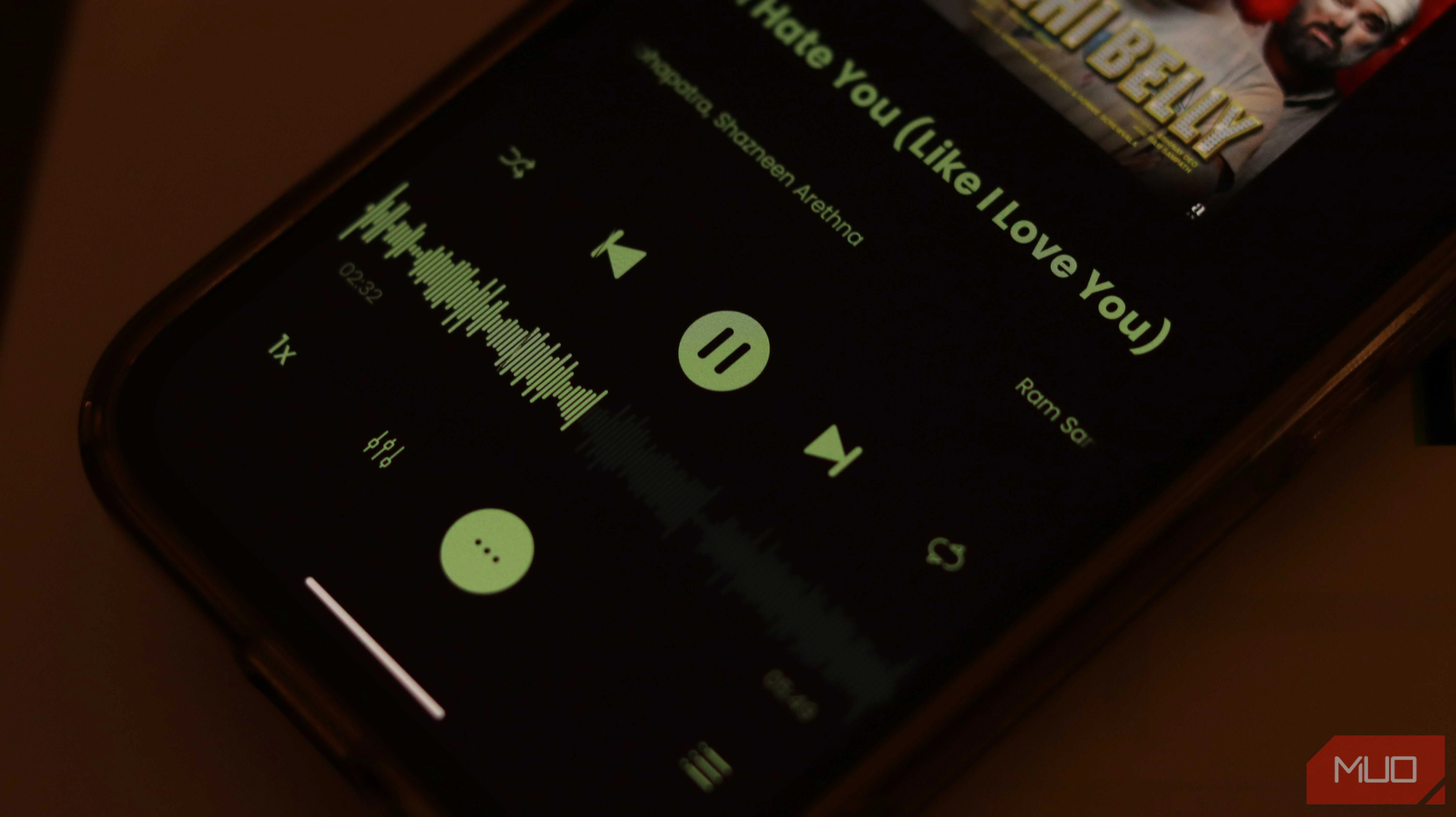
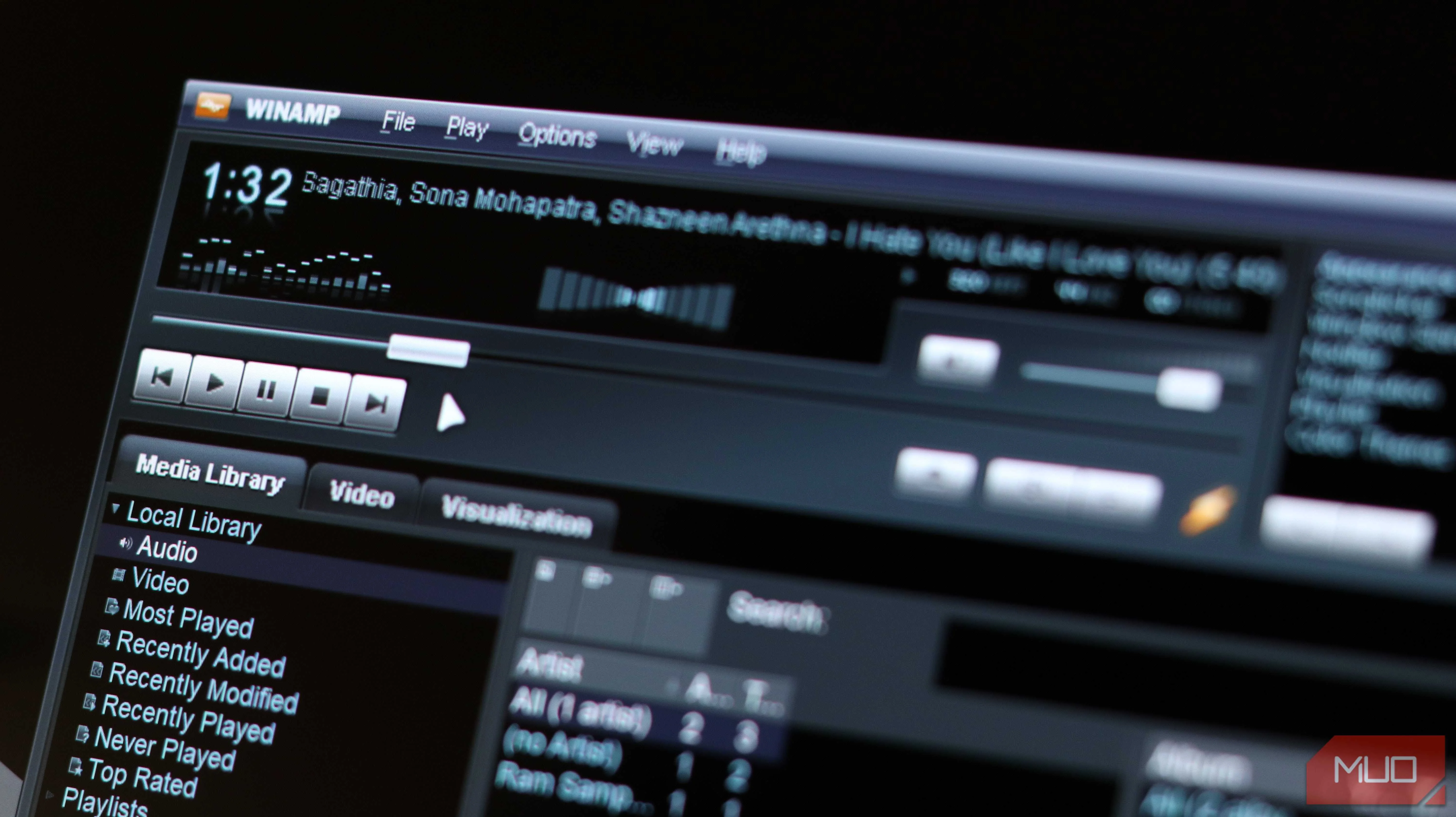

Winamp is the only app that's still completely itself. Well, almost completely itself. That's because despite AOL closing Winamp down in December 2013, in late 2025, it underwent a revival of sorts.
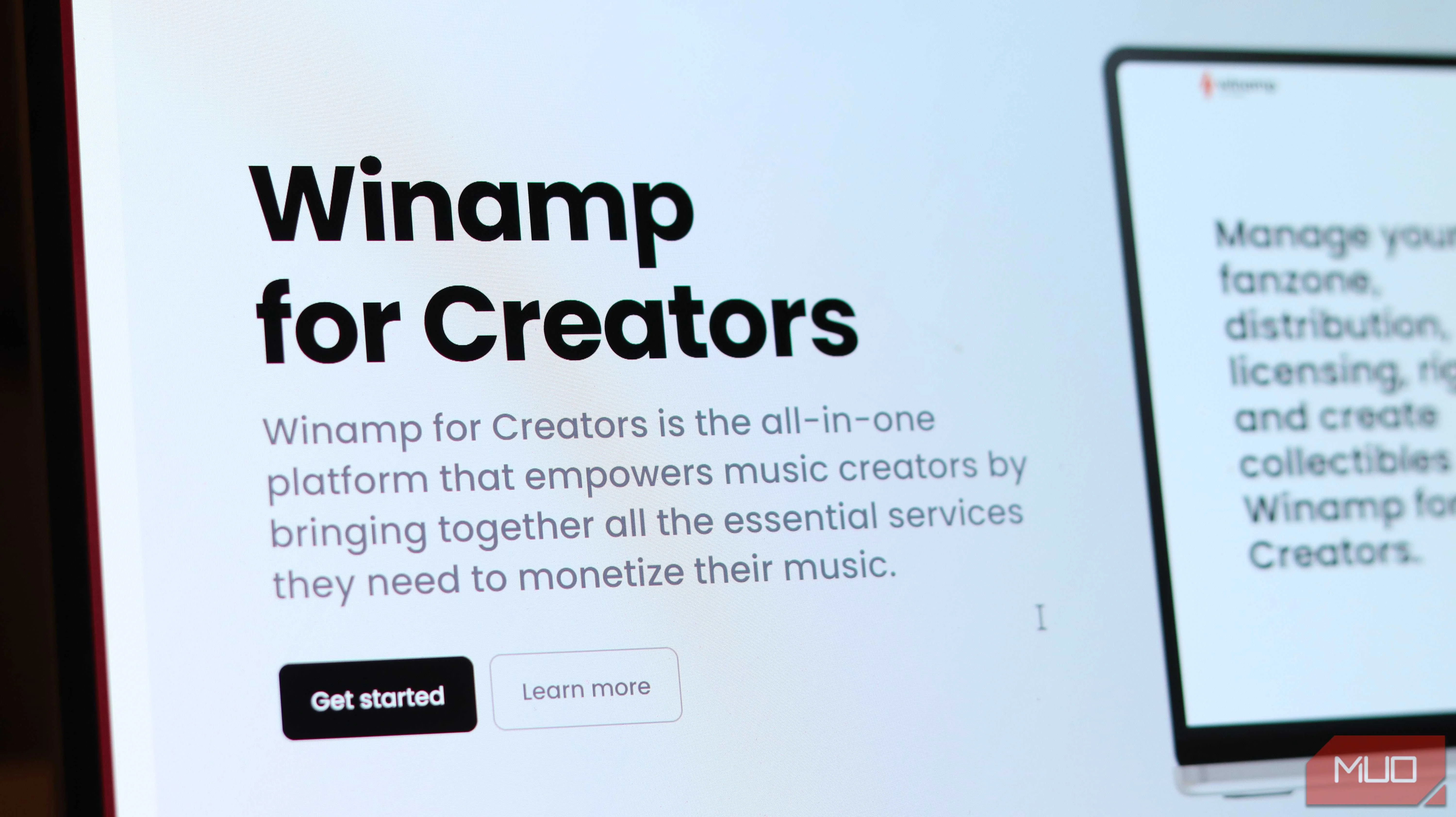
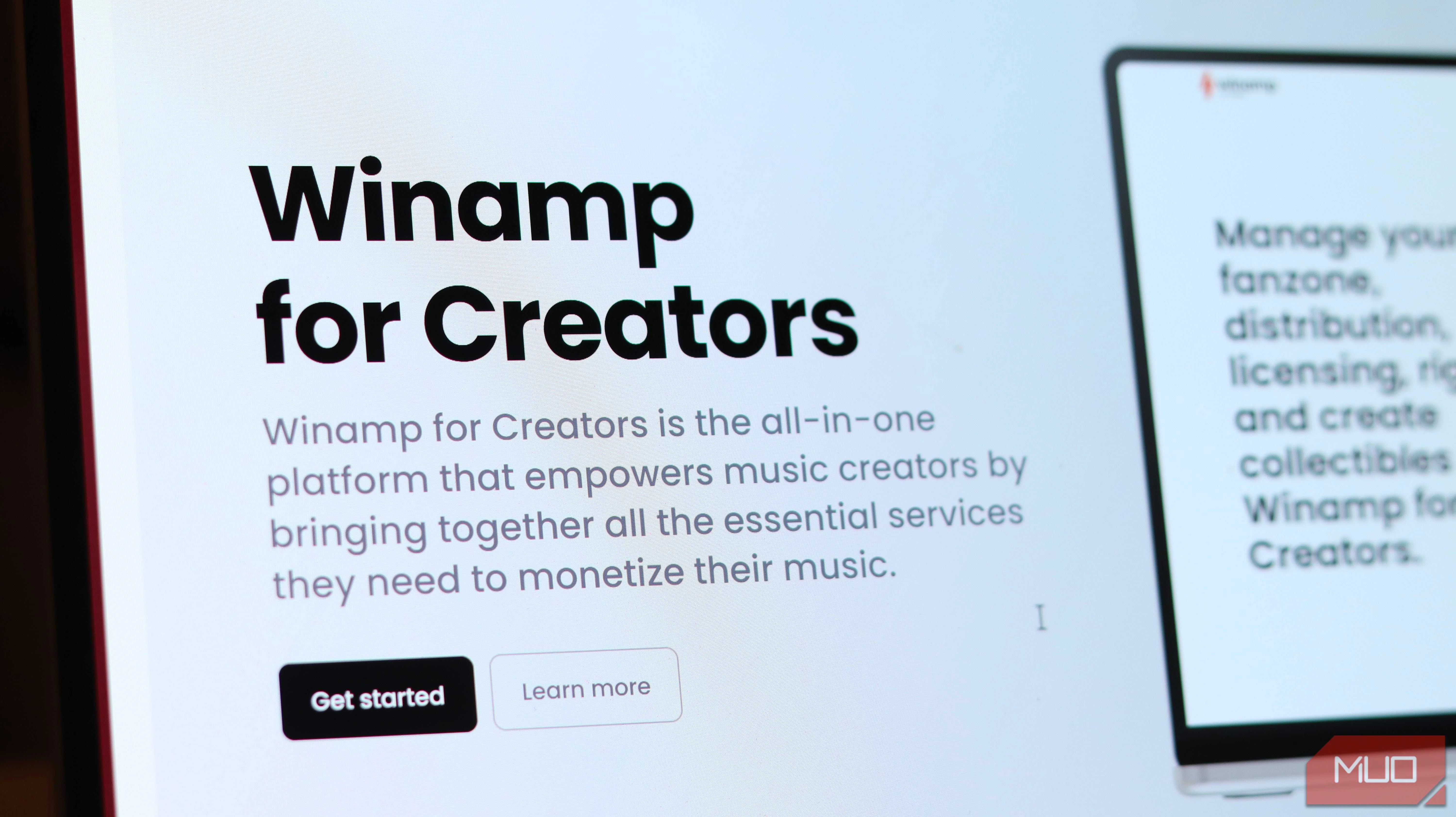
Llama Group, Winamp's owner, renamed itself Winamp Group in 2026, and Winamp's website now pitches itself to artists as “the home of your music career,” with tools to manage their music and revenue. If you head to Winamp, the focus is on Winamp for Artists primarily — but the Winamp player is also available below.
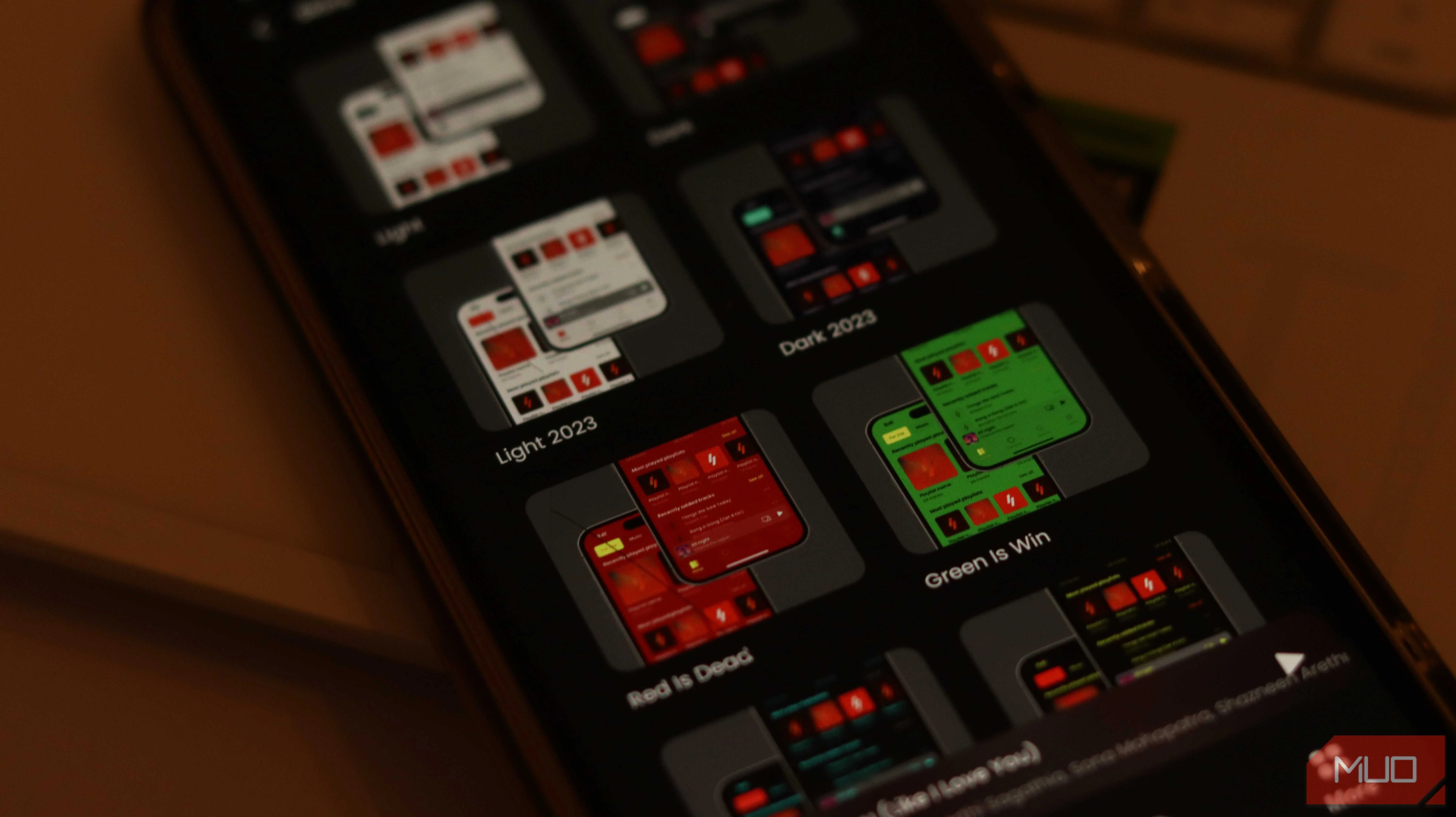
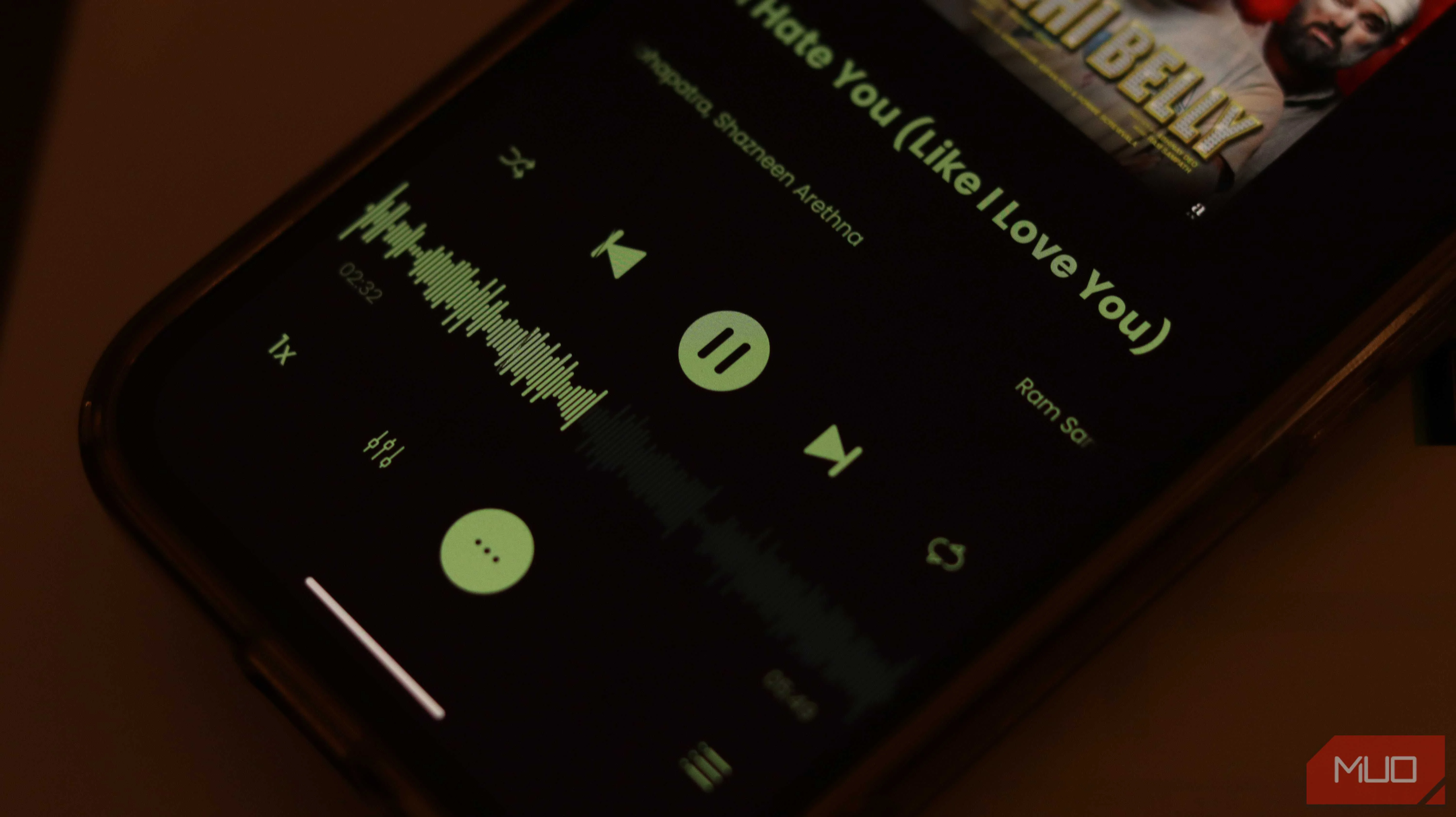
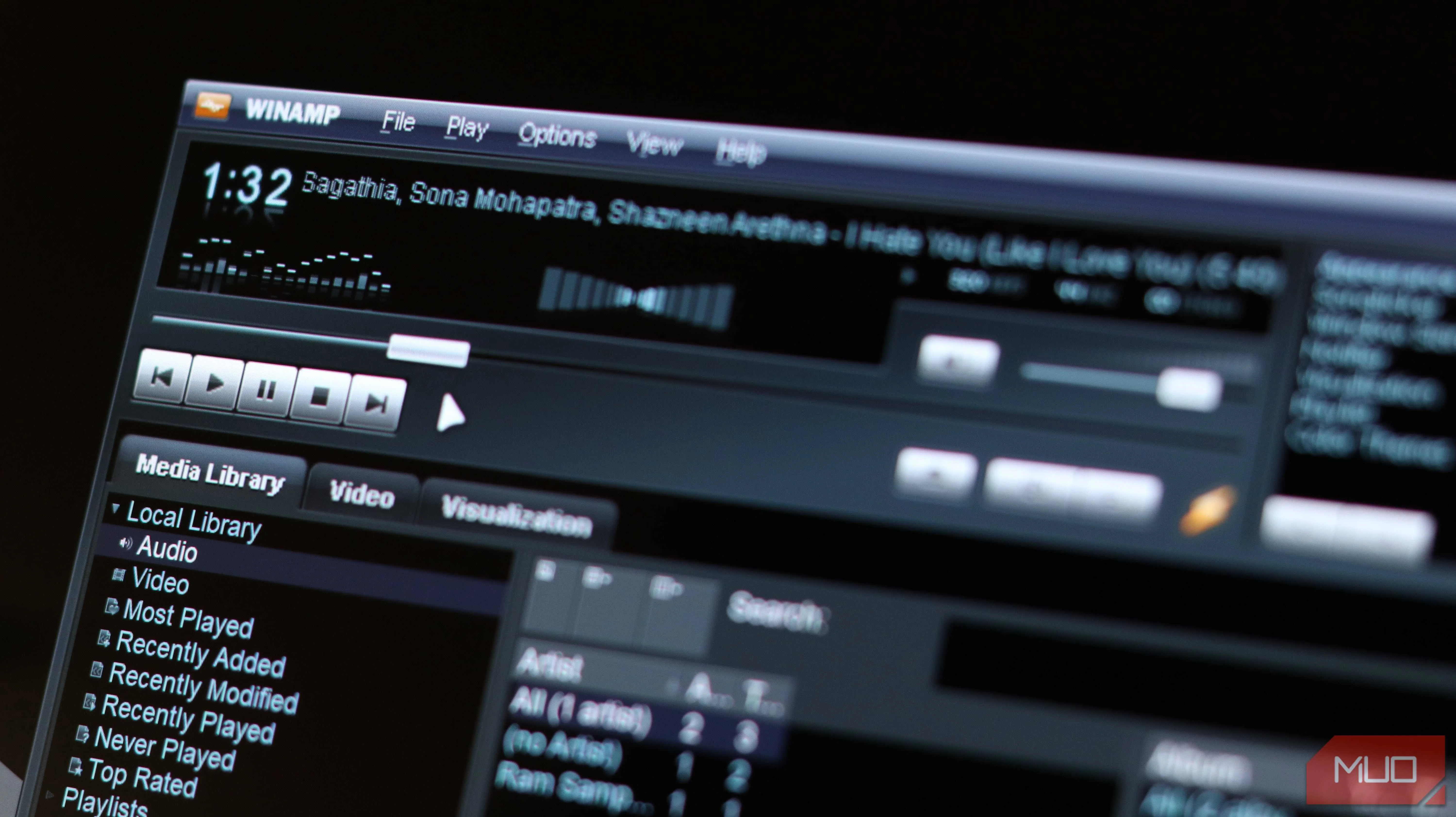
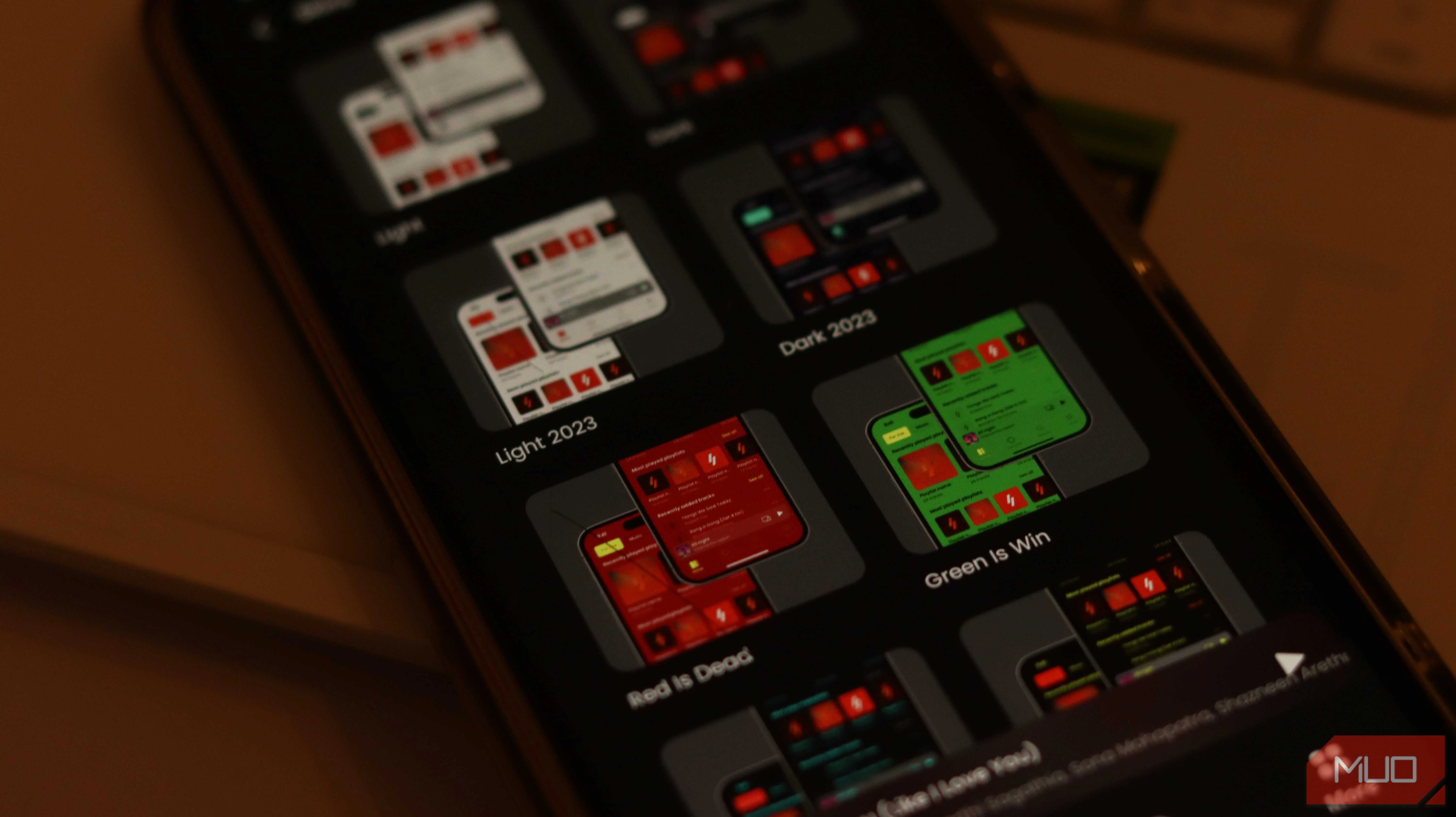
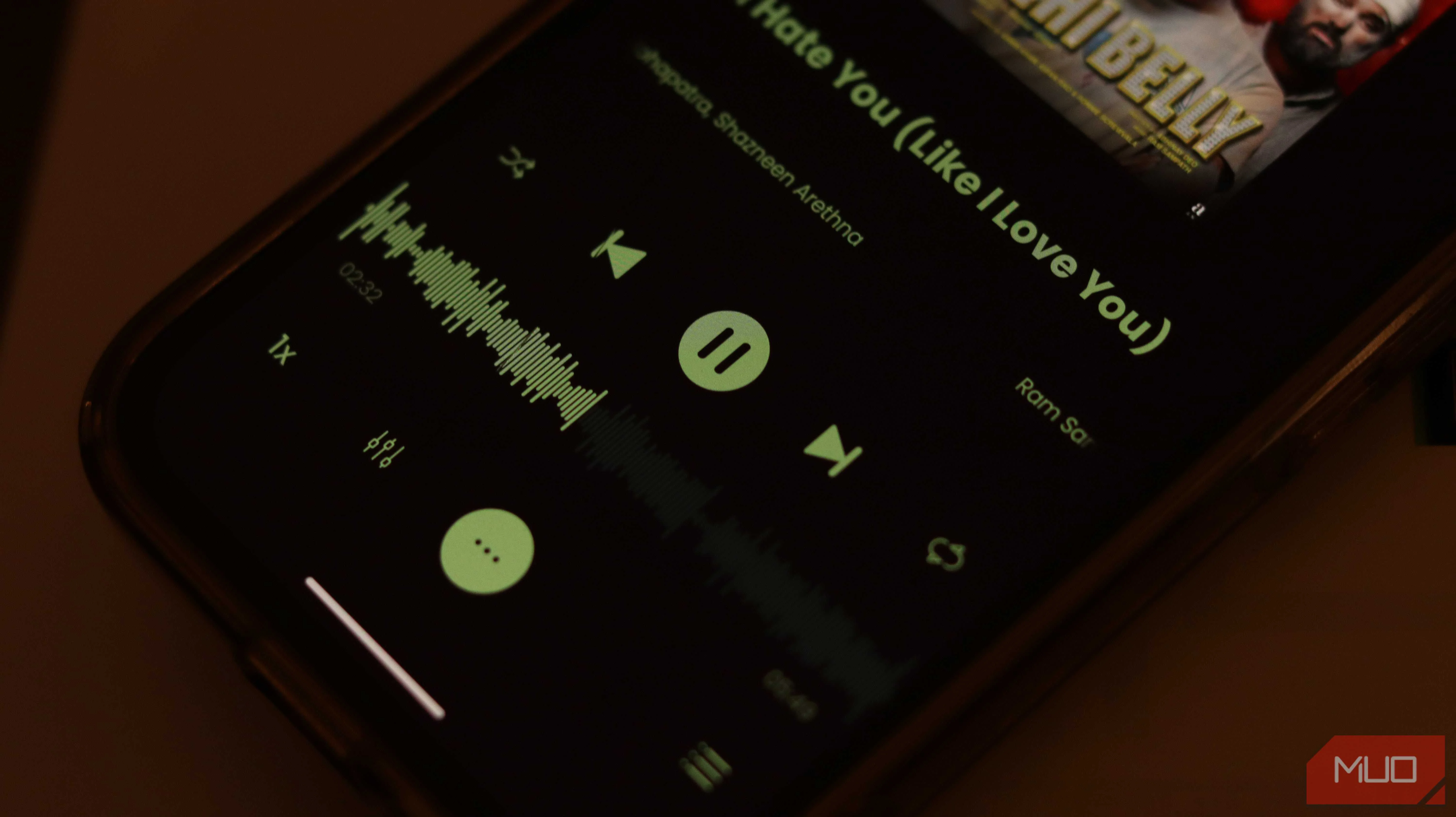
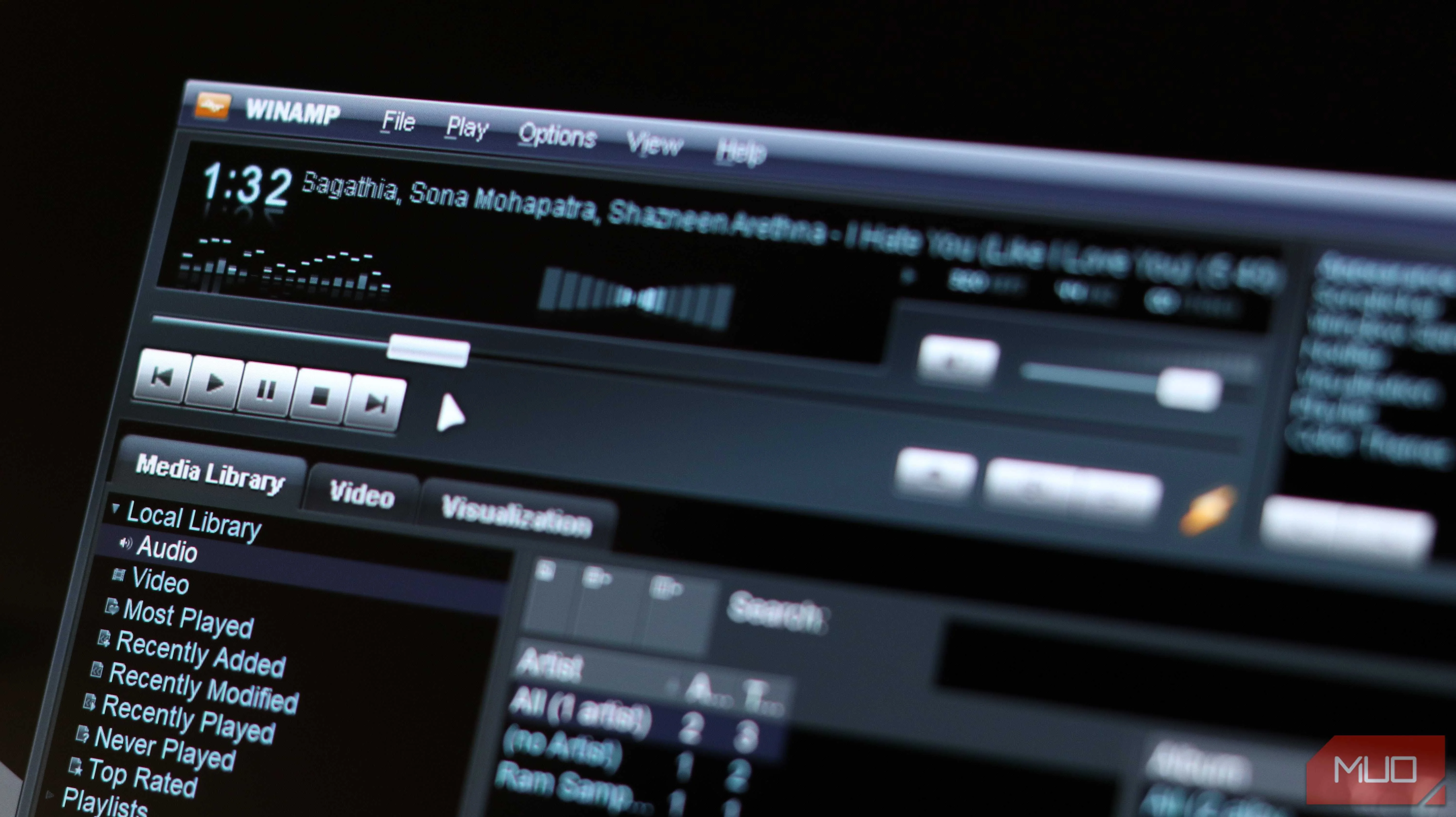
Clicking through gives you the modern versions of the app for Android and iOS, as well as the legacy version for your desktop.
Then, in July 2026, Winamp announced it was partnering with Deezer to build a new premium music subscription service, with Deezer providing "white label music streaming technology" and access to its "global music catalog," all of which will run through a new Winamp Player.
What's most wild about the whole announcement, though, wasn't that Winamp is converting into a premium streaming service. It was that it claims 40 million people still use Winamp's legacy desktop player.
On one hand, I'm not surprised. People download software they like, and it works, so why switch? On the other hand, there are so many great music players out there with vastly more modern interfaces. Either way, it's amazing that so many are still using such an old piece of software.
Familiar name doesn't mean familiar product
Looking back through the annals of software over the years, it's actually more remarkable that there is still software bearing these names. But such is the iconic pull of Napster, LimeWire, and Winamp; it's understandable.
Still, it's a good reminder that a familiar logo tells you very little about who runs a service today. If an old AOL address, Trillian login, or Napster account still sits in your password manager, take a minute to check who owns it now and what its privacy policy says.
That's because while the login might still work, the company you handed your data to might not be the one holding it anymore.